
On this page
What an economic moat is
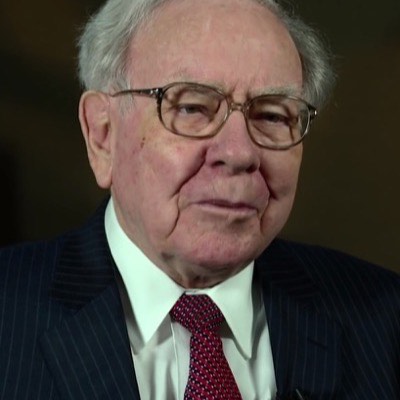
An economic moat is a lasting competitive advantage that makes it hard for rivals to steal a company's customers or profits. The term was popularized by investor Warren Buffett, who looks for businesses protected by a wide, durable moat.
When a company has a strong moat, it can keep earning healthy profits year after year, because competitors struggle to offer the same thing at the same price. Without a moat, high profits tend to attract rivals who compete them away.
Common types of moats
Moats come in a few recognizable forms. Understanding the type helps you judge how durable it really is.
- Brand power, where a trusted name lets a company charge more or win loyalty
- Network effects, where a product becomes more useful as more people use it
- Cost advantages, where a company can produce or sell more cheaply than rivals
- Switching costs, where it is expensive or inconvenient for customers to leave
- Intangible assets, such as patents, licenses, or regulatory approvals that block competitors
Why it matters for investors
For long-term investors, a moat is a sign that a company's profits may prove durable rather than fleeting. A business that can defend its advantages is more likely to keep growing and rewarding owners over many years.
Signs of a moat often show up in the numbers as consistently strong profitability, such as high returns on the money the business uses, sustained over long periods. A company that earns high returns for years without competitors catching up usually has something protecting it.
💡 A moat can shrink:No advantage lasts forever. Technology, regulation, or new rivals can erode even a strong moat over time. Part of analyzing a company is asking whether its moat is getting wider or narrower, not just whether it exists today.
A great business is not always a great buy
A wide moat tells you about the quality of a business, not whether its stock is a good value. Even a wonderful company can be a poor investment if you pay too high a price for it.
This is why moat analysis usually pairs with valuation. The aim for many long-term investors is to find a durable business and buy it at a sensible price, rather than treating a strong moat as a reason to pay any amount.
Frequently asked questions
What is an economic moat in simple terms?
It is a lasting advantage that protects a company from competitors, letting it keep earning strong profits over time. Just as a moat guards a castle, a business moat guards a company’s customers and margins from being taken by rivals.
What are the main types of moats?
Common types include brand power, network effects, cost advantages, high switching costs, and intangible assets like patents or licenses. Many strong companies combine more than one. The type helps you judge how durable the advantage is likely to be.
How can I tell if a company has a moat?
Look for durable, above-average profitability that competitors have not competed away, such as consistently high returns on the capital the business uses over many years. Then ask what specifically protects those profits, whether a brand, a network, costs, switching costs, or patents.
Does a wide moat mean the stock is a good buy?
Not on its own. A moat describes business quality, not price. Even an excellent company can be a poor investment if you overpay, which is why moat analysis is usually paired with looking at valuation.
Related tools and pages
These are for learning. Any calculator here shows example scenarios, not predictions of future prices.
Get the free investing newsletter
Two short emails a week — Wednesday market analysis and Friday investing ideas, written for long-term investors.