129 people

People Who Shaped Investing

Learn about the investors, builders, and thinkers behind some of the biggest ideas in markets, money, Bitcoin, and long-term wealth building.

Most viewed investors

Updated 2026-09-07

The investor profiles readers open most, ranked by real page views from our analytics.

Giovanni Santostasi

Featured

Physicist and Bitcoin Power Law researcher

Santostasi developed and popularized the Bitcoin Power Law, a long-term model that describes Bitcoin's price as a power-law function of time since launch. We use the canonical version of that model on our Bitcoin Power Law page, so his work connects directly to a tool you can explore here.

Ten figures whose ideas shaped how ordinary investors think about value, risk, cost, and patience. Each one links to a full profile or their sourced quotes.

Start by topic

Value Investing

Investors known for buying businesses below their estimate of fair worth.

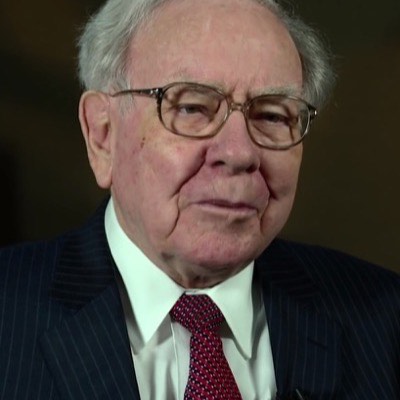
Photo of Warren Buffett
Warren Buffett
Chairman and CEO of Berkshire Hathaway
Born 1930
Value Investing

Built a long public track record applying value-investing principles, focusing on quality businesses bought at sensible prices and held for the long term.

Key idea
Buy good businesses at fair prices and think like a long-term owner.
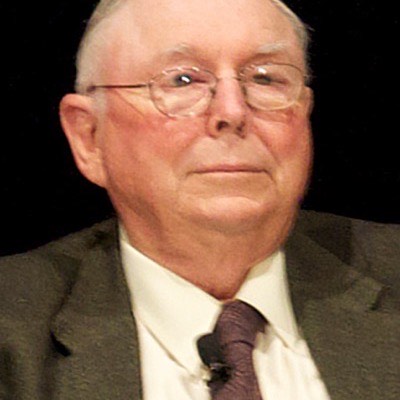
Photo of Charlie Munger
Charlie Munger
Longtime vice chairman of Berkshire Hathaway
Born 1924 • Passed away 2023
Value Investing

Warren Buffett’s longtime business partner, known for emphasizing rational decision-making, mental models, patience, and temperament. He passed away in 2023.

Key idea
Clear thinking and quality businesses matter more than constant activity.
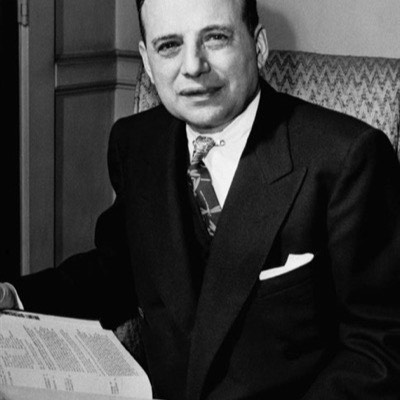
Portrait photo of Benjamin Graham
Benjamin Graham
Author and early architect of value investing
Born 1894 • Passed away 1976
Value Investing

Wrote foundational books on security analysis and taught the idea of a margin of safety. He was an early teacher of Warren Buffett.

Key idea
Margin of safety: buy below your careful estimate of intrinsic value.
Peter Lynch
Former manager of the Fidelity Magellan Fund
Born 1944
Value Investing

Ran a widely followed mutual fund and wrote popular books encouraging investors to understand the businesses they own.

Key idea
Invest in what you understand, and do the homework first.
John Templeton
Founder of the Templeton Growth Fund
Born 1912 • Passed away 2008
Value Investing

Built one of the first genuinely global mutual funds and became known for buying in markets and countries other investors were avoiding.

Key idea
The best prices are usually available when pessimism is deepest.
Seth Klarman
Founder of the Baupost Group
Born 1957
Value Investing

Wrote Margin of Safety, a widely studied book on risk-first value investing, and is known for holding cash when he sees no attractive opportunities.

Key idea
Avoiding permanent loss matters more than maximising every year of gains.
Joel Greenblatt
Founder of Gotham Capital and author
Born 1957
Value Investing

Popularised a simple, rules-based approach to value investing in The Little Book That Beats the Market, and taught investing at Columbia Business School.

Key idea
Combining a good business with a low price is the heart of value investing.
Walter Schloss
Value investor who worked under Benjamin Graham
Born 1916 • Passed away 2012
Value Investing

Ran a small partnership for decades using plain statistical value investing, working from published financial statements rather than company meetings.

Key idea
A disciplined, repeatable process can matter more than access or information.
Mohnish Pabrai
Investor and author of The Dhandho Investor
Born 1964
Value Investing

Built an investing approach openly modelled on Buffett and Munger, and writes about cloning proven strategies rather than inventing new ones.

Key idea
Copying a sound, well-documented process is an underrated advantage.
Philip Fisher
Growth investor and author of Common Stocks and Uncommon Profits
Born 1907 • Passed away 2004
Value Investing

Argued that investors should study a company’s management, research culture and competitive position, not just its financial statements.

Key idea
Qualitative business quality deserves as much scrutiny as the numbers.
Guy Spier
Investor and author of The Education of a Value Investor
Born 1966
Value Investing

Wrote candidly about how environment, ego and daily habits shape investment decisions, drawing on his own mistakes.

Key idea
Structuring your environment protects you from your own worst instincts.
Bruce Greenwald
Professor and author on value investing and competition
Born 1946
Value Investing

Taught value investing at Columbia Business School for many years and wrote about how competitive advantage and barriers to entry drive business value.

Key idea
Durable competitive advantage is the foundation of lasting business value.
John Burr Williams
Economist and author of The Theory of Investment Value
Born 1900 • Passed away 1989
Value Investing

Argued in 1938 that a share is worth the cash it will pay its owner over time, discounted back to today, which became the basis of modern valuation.

Key idea
A share is worth the discounted value of the cash it will hand back.
John Neff
Longtime manager of the Vanguard Windsor Fund
Born 1931 • Passed away 2019
Value Investing

Ran a large mutual fund for three decades on a low price-to-earnings approach, buying unfashionable companies and counting the dividend as part of the return.

Key idea
A modest company bought cheaply, with a dividend, does not need to be exciting.
Ken Fisher
Founder and executive chairman of Fisher Investments
Born 1950
Value Investing

Introduced the price-to-sales ratio to a wide audience, wrote a Forbes column for more than three decades, and built a large independent advisory firm.

Key idea
An edge comes from knowing something the rest of the market has not priced.
Aswath Damodaran
Professor of finance at New York University
Born 1957
Value Investing

Teaches valuation at NYU Stern and publishes his datasets, spreadsheets, lecture series and company valuations free online, assumptions included.

Key idea
A valuation is only as trustworthy as the assumptions written into it.
Christopher Browne
Partner at Tweedy, Browne and author
Born 1946 • Passed away 2009
Value Investing

Wrote The Little Book of Value Investing, a plain-English introduction to buying shares for less than an estimate of their worth.

Key idea
Value investing is a simple idea that is hard to practise consistently.
Bill Miller
Founder of Miller Value Partners
Born 1950
Value Investing

Ran a widely followed value fund and later argued that value investing should include technology businesses rather than only statistically cheap ones.

Key idea
Value is about price versus worth, not about a particular industry.
Li Lu
Founder of Himalaya Capital
Born 1966
Value Investing

Built a concentrated long-term investment record and is known for introducing Charlie Munger to the Chinese battery maker BYD.

Key idea
Deep knowledge of a few businesses can beat shallow knowledge of many.
Thomas Rowe Price Jr.
Founder of T. Rowe Price
Born 1898 • Passed away 1983
Value Investing

Pioneered growth-stock investing as a formal discipline and built one of the earliest research-driven asset managers.

Key idea
Owning well-run growing companies for long periods can compound wealth.

Macro & Market Cycles

Thinkers focused on the economy, risk, and where we sit in a cycle.

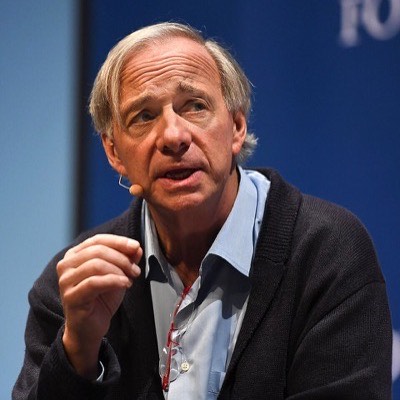
Photo of Ray Dalio
Ray Dalio
Founder of Bridgewater Associates
Born 1949
Macro & Market Cycles

Built one of the largest hedge funds and wrote widely about economic cycles, diversification, and balancing risk across assets.

Key idea
Diversify across economic environments rather than trying to predict them.
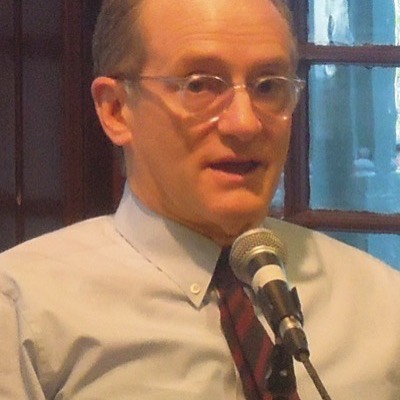
Photo of Howard Marks
Howard Marks
Co-founder of Oaktree Capital Management
Born 1946
Macro & Market Cycles

Known for widely read investor memos on risk, market cycles, and the role of psychology in markets.

Key idea
Knowing where you are in a cycle matters more than forecasting it.
Stanley Druckenmiller
Macro investor and former manager of the Duquesne fund
Born 1953
Macro & Market Cycles

Known for a flexible, top-down macro approach and a long record of changing positions as conditions change.

Key idea
Concentrate when conviction is high, and protect capital when it is not.
George Soros
Founder of the Quantum Fund
Born 1930
Macro & Market Cycles

Known for large currency and macro positions, and for his theory of reflexivity, which argues that investor beliefs can change the fundamentals they are judging.

Key idea
Markets and participants influence each other, so prices are not neutral observers.
Jim Simons
Mathematician and founder of Renaissance Technologies
Born 1938 • Passed away 2024
Macro & Market Cycles

Applied statistical and mathematical modelling to markets, helping establish quantitative investing as a serious discipline.

Key idea
Systematic models can find patterns that human judgment misses.
Ed Thorp
Mathematician and author of Beat the Dealer
Born 1932
Macro & Market Cycles

Applied probability theory first to blackjack and then to markets, and helped popularise mathematical thinking about bet sizing and risk.

Key idea
How much you stake on an idea can matter as much as the idea itself.
Michael Steinhardt
Hedge fund manager and author
Born 1940
Macro & Market Cycles

Ran a long-running hedge fund and wrote about the discipline of changing your mind when the evidence changes.

Key idea
Strong opinions are only useful if you can abandon them quickly.
Jeremy Grantham
Co-founder of GMO
Born 1938
Macro & Market Cycles

Writes long-term letters on asset valuation and market bubbles, arguing that extreme prices tend to revert toward long-run averages.

Key idea
Valuation extremes have historically corrected, even if slowly.
Nassim Nicholas Taleb
Author of The Black Swan and Antifragile
Born 1960
Macro & Market Cycles

Writes about rare, high-impact events and argues that many financial models understate the likelihood and cost of extreme outcomes.

Key idea
Build for surviving the outlier, not for predicting it.
Cliff Asness
Co-founder of AQR Capital Management
Born 1966
Macro & Market Cycles

Helped bring academic factor research, including value and momentum, into large-scale systematic investment products.

Key idea
Long-run return patterns can be measured and invested in systematically.
Paul Tudor Jones
Founder of Tudor Investment Corporation
Born 1954
Macro & Market Cycles

Built a macro trading firm and is known for emphasising defence, position sizing and cutting losing trades quickly.

Key idea
Controlling losses matters more than being right about direction.
Michael Burry
Founder of Scion Capital
Born 1971
Macro & Market Cycles

Analysed subprime mortgage lending before the 2008 financial crisis and positioned against it, a story told in The Big Short.

Key idea
Reading primary documents can reveal what consensus opinion overlooks.
Bill Ackman
Founder of Pershing Square Capital Management
Born 1966
Macro & Market Cycles

Runs a concentrated activist fund and is known for publicly arguing detailed investment cases, both long and short.

Key idea
Concentration demands far more research per position.
David Tepper
Founder of Appaloosa Management
Born 1957
Macro & Market Cycles

Known for investing in distressed debt and for buying financial assets during periods of severe market stress.

Key idea
Crises can create prices that assume the worst outcome is certain.
Julian Robertson
Founder of Tiger Management
Born 1932 • Passed away 2022
Macro & Market Cycles

Built an influential hedge fund whose analysts went on to found many other funds, a network often called the Tiger Cubs.

Key idea
Rigorous fundamental research can be scaled through people you train.
Ken Griffin
Founder of Citadel
Born 1968
Macro & Market Cycles

Built a large multi-strategy investment firm and an affiliated market-making business, both central to modern market structure.

Key idea
Scale in markets increasingly depends on technology and risk systems.
Bruce Kovner
Founder of Caxton Associates
Born 1945
Macro & Market Cycles

Built a macro trading firm and spoke about imagining how a position could go wrong before entering it.

Key idea
Rehearsing the downside is part of sizing a position.
Alfred Winslow Jones
Sociologist and journalist credited with the first hedge fund
Born 1900 • Passed away 1989
Macro & Market Cycles

Set up a fund in 1949 that combined long and short positions, an approach that became the template for the hedge fund industry.

Key idea
Holding both long and short positions changes a portfolio’s risk profile.
Reference entry

Economists & Academics

Researchers whose work shaped how markets, money, and behaviour are understood.

Eugene Fama
Economist and Nobel laureate
Born 1939
Economists & Academics

Developed the efficient market hypothesis and, with Kenneth French, the factor models that reshaped how returns are explained.

Key idea
Prices largely reflect available information, which makes beating them hard.
Kenneth French
Economist known for the Fama and French factor models
Born 1954
Economists & Academics

Co-developed models showing that company size and relative valuation help explain long-run differences in stock returns.

Key idea
Returns can be partly explained by measurable characteristics.
William Sharpe
Economist and Nobel laureate
Born 1934
Economists & Academics

Developed the capital asset pricing model and the ratio now used to compare returns against the risk taken to earn them.

Key idea
Returns should always be judged next to the risk that produced them.
Adam Smith
Moral philosopher and author of The Wealth of Nations
Born 1723 • Passed away 1790
Economists & Academics

Described how specialisation, trade and self-interest coordinate economic activity, founding much of classical economics.

Key idea
Voluntary exchange can coordinate strangers without central direction.
John Maynard Keynes
Economist and author of The General Theory
Born 1883 • Passed away 1946
Economists & Academics

Argued that demand can stay depressed without intervention, reshaping how governments respond to recessions.

Key idea
Economies can settle at a bad equilibrium and stay there.
Milton Friedman
Economist and Nobel laureate
Born 1912 • Passed away 2006
Economists & Academics

Argued that the money supply is central to inflation and championed a limited role for government in markets.

Key idea
Monetary policy has powerful and lagging effects on prices.
Friedrich Hayek
Economist and Nobel laureate
Born 1899 • Passed away 1992
Economists & Academics

Argued that prices carry dispersed knowledge no central planner can gather, a core argument for decentralised markets.

Key idea
Prices are a communication system for scattered information.
Irving Fisher
Economist known for work on interest, debt and deflation
Born 1867 • Passed away 1947
Economists & Academics

Developed the debt-deflation explanation of depressions and formalised the relationship between nominal and real interest rates.

Key idea
Falling prices can make existing debts heavier and deepen a downturn.
Harry Markowitz
Economist and founder of modern portfolio theory
Born 1927 • Passed away 2023
Economists & Academics

Showed mathematically how combining assets that move differently can reduce a portfolio’s risk for a given level of return.

Key idea
Diversification works because assets do not move together.
Paul Samuelson
Economist and Nobel laureate
Born 1915 • Passed away 2009
Economists & Academics

Brought mathematical rigour to economics and wrote the textbook that taught the subject to generations of students.

Key idea
Economic reasoning can be made precise and testable.
Joseph Schumpeter
Economist known for creative destruction
Born 1883 • Passed away 1950
Economists & Academics

Argued that growth comes from innovation that displaces existing firms and industries rather than from steady equilibrium.

Key idea
Progress destroys incumbents as it creates new value.
Hyman Minsky
Economist known for the financial instability hypothesis
Born 1919 • Passed away 1996
Economists & Academics

Argued that long periods of stability encourage rising leverage, which itself makes the system fragile.

Key idea
Stability breeds the risk-taking that ends stability.
Paul Volcker
Former chair of the US Federal Reserve
Born 1927 • Passed away 2019
Economists & Academics

Raised interest rates sharply to break the high inflation of the late 1970s and early 1980s, at significant short-term economic cost.

Key idea
Ending entrenched inflation can require accepting real pain.
Thomas Sowell
Economist and author
Born 1930
Economists & Academics

Writes about prices, incentives and trade-offs in plain language, emphasising the unintended consequences of policy.

Key idea
Every policy choice gives something up; the question is what.
Charles Kindleberger
Economic historian and author of Manias, Panics, and Crashes
Born 1910 • Passed away 2003
Economists & Academics

Catalogued centuries of financial bubbles and showed how similar the stages of speculative episodes tend to be.

Key idea
Bubbles rhyme across centuries and asset classes.
Myron Scholes
Economist and Nobel laureate
Born 1941
Economists & Academics

Co-authored the Black and Scholes option pricing model, one of the most widely used formulas in finance.

Key idea
Derivative prices can be derived from a few measurable inputs.
Fischer Black
Economist and co-author of the Black and Scholes model
Born 1938 • Passed away 1995
Economists & Academics

Helped create modern option pricing theory and wrote on noise and uncertainty in financial markets.

Key idea
Much market activity is noise rather than information.
Carmen Reinhart
Economist and co-author of This Time Is Different
Born 1955
Economists & Academics

Compiled centuries of data on debt crises and defaults with Kenneth Rogoff, showing recurring patterns across countries.

Key idea
Debt crises follow familiar patterns that participants keep dismissing.
Kenneth Rogoff
Economist and co-author of This Time Is Different
Born 1953
Economists & Academics

Studied sovereign debt, financial crises and their long aftermaths alongside Carmen Reinhart.

Key idea
Recoveries from financial crises are slower than ordinary recessions.
David Ricardo
Economist and stockbroker
Born 1772 • Passed away 1823
Economists & Academics

Developed the theory of comparative advantage, explaining why countries gain from trading even when one is more productive overall.

Key idea
Trade pays when opportunity costs differ.
Reference entry
Ludwig von Mises
Economist of the Austrian school
Born 1881 • Passed away 1973
Economists & Academics

Wrote on money, credit and the business cycle, arguing that credit expansion distorts investment decisions.

Key idea
Artificially cheap credit can misdirect real investment.
Ben Bernanke
Former chair of the US Federal Reserve and Nobel laureate
Born 1953
Economists & Academics

Studied the Great Depression as an academic and later led the Federal Reserve through the 2008 financial crisis.

Key idea
Credit systems can seize up and take the real economy with them.
Reference entry
Robert Merton
Economist and Nobel laureate
Born 1944
Economists & Academics

Extended option pricing theory, work that underpins how derivatives and financial risk are valued.

Key idea
Optionality has a calculable price.
Reference entry

Business Builders

Founders and operators who built the companies investors study.

Jeff Bezos
Founder of Amazon
Born 1964
Business Builders

Built Amazon from an online bookseller into a retail and cloud computing company, writing annual letters on long-term thinking and customer focus.

Key idea
Optimising for the long term looks irrational quarter to quarter.
Steve Jobs
Co-founder of Apple
Born 1955 • Passed away 2011
Business Builders

Led Apple through the launch of the Macintosh, iPod, iPhone and iPad, shaping how consumer technology is designed and sold.

Key idea
Focus means saying no to good ideas, not only bad ones.
Bill Gates
Co-founder of Microsoft
Born 1955
Business Builders

Built Microsoft into the dominant software company of the personal computer era and later focused on global health philanthropy.

Key idea
Platforms compound advantages that single products cannot.
Sam Walton
Founder of Walmart
Born 1918 • Passed away 1992
Business Builders

Built the world’s largest retailer by combining low prices with relentless cost control and logistics investment.

Key idea
A cost advantage, defended daily, is a real competitive moat.
Henry Ford
Founder of the Ford Motor Company
Born 1863 • Passed away 1947
Business Builders

Applied moving assembly lines to car manufacturing, cutting costs enough to turn the automobile into a mass-market product.

Key idea
Process innovation can change who can afford a product.
Andrew Carnegie
Steel industrialist and philanthropist
Born 1835 • Passed away 1919
Business Builders

Built a dominant steel business through vertical integration and cost control, then gave away most of his fortune, largely to libraries.

Key idea
Controlling your inputs can decide who wins an industry.
John D. Rockefeller
Founder of Standard Oil
Born 1839 • Passed away 1937
Business Builders

Consolidated the early oil refining industry through scale, efficiency and aggressive acquisition, prompting landmark antitrust action.

Key idea
Scale plus efficiency can reshape an entire industry.
Jamie Dimon
Chairman and chief executive of JPMorgan Chase
Born 1956
Business Builders

Led a major bank through the 2008 crisis and writes annual letters on risk management and the health of the banking system.

Key idea
Balance-sheet strength is what lets a bank survive surprises.
Howard Schultz
Former chief executive of Starbucks
Born 1953
Business Builders

Scaled Starbucks internationally by treating the store itself as the product, not only the coffee.

Key idea
Customer experience can be the durable part of a business.
Larry Fink
Co-founder and chief executive of BlackRock
Born 1952
Business Builders

Built the world’s largest asset manager, much of it in index products, and writes annual letters to company boards.

Key idea
Scale in asset management shifts influence to the owners of index funds.
Peter Thiel
Co-founder of PayPal and author of Zero to One
Born 1967
Business Builders

Co-founded PayPal, made an early investment in Facebook, and writes about why durable businesses avoid direct competition.

Key idea
Competition erodes profit; genuine differentiation protects it.
Estee Lauder
Co-founder of the Estee Lauder Companies
Born 1908 • Passed away 2004
Business Builders

Built a global cosmetics business starting from in-person demonstrations and sampling rather than mass advertising.

Key idea
Direct contact with customers can build a brand from nothing.
Jensen Huang
Co-founder and chief executive of Nvidia
Born 1963
Business Builders

Led Nvidia from graphics chips into the processors and software that power much of modern artificial intelligence computing.

Key idea
Betting early on a computing shift can take decades to pay off.
Reference entry
Ray Kroc
Businessman who built McDonald’s into a global chain
Born 1902 • Passed away 1984
Business Builders

Scaled a single restaurant concept through franchising and standardisation, and built a business that also owned real estate.

Key idea
Systems and consistency are what make a concept scalable.
Walt Disney
Co-founder of The Walt Disney Company
Born 1901 • Passed away 1966
Business Builders

Built an entertainment company around durable characters and stories, later extending them into television and theme parks.

Key idea
Intellectual property can be reused across formats for decades.
Phil Knight
Co-founder of Nike
Born 1938
Business Builders

Built Nike from importing running shoes into a global brand, and wrote candidly about the near-failures along the way in Shoe Dog.

Key idea
Brand is built over years of consistent association.
Reed Hastings
Co-founder of Netflix
Born 1960
Business Builders

Moved Netflix from mailing DVDs to streaming and then to producing original content, cannibalising its own business twice.

Key idea
Willingly disrupting yourself beats waiting to be disrupted.
Satya Nadella
Chief executive of Microsoft
Born 1967
Business Builders

Refocused Microsoft on cloud computing and partnerships, reversing a long period of stalled growth.

Key idea
Culture change can unlock assets a company already owns.
Elon Musk
Chief executive of Tesla and SpaceX
Born 1971
Business Builders

Led companies in electric vehicles and rocketry, both industries widely considered closed to new entrants.

Key idea
Reasoning from first principles can reopen a settled industry.
Masayoshi Son
Founder of SoftBank
Born 1957
Business Builders

Built a technology investment group known for very large, concentrated bets with widely varying outcomes.

Key idea
Concentrated conviction produces extreme results in both directions.
Marc Andreessen
Co-creator of the Mosaic browser and venture investor
Born 1971
Business Builders

Helped build the first widely used web browser and later co-founded a venture capital firm investing in software companies.

Key idea
Software keeps absorbing functions other industries used to own.
Richard Branson
Founder of the Virgin Group
Born 1950
Business Builders

Extended a single brand across music, airlines and other industries, and writes about entrepreneurship and risk-taking.

Key idea
A trusted brand can be a licence to enter new markets.

Indexing & Passive Investing

Advocates for low-cost, diversified investing for everyday savers.

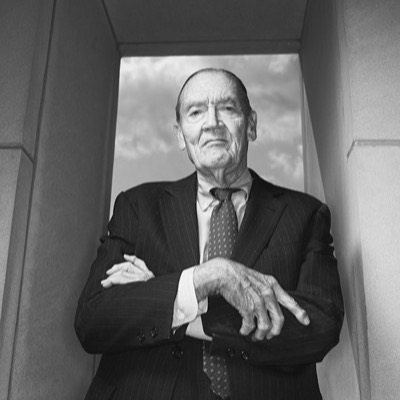
Photo of Jack Bogle
Jack Bogle
Founder of Vanguard
Born 1929 • Passed away 2019
Indexing & Passive Investing

Founded Vanguard and popularized low-cost index funds, arguing that keeping fees low is one of the most reliable ways to improve long-term returns.

Key idea
Low-cost, broad index funds for patient long-term investors.
Burton Malkiel
Economist and author of A Random Walk Down Wall Street
Born 1932
Indexing & Passive Investing

Argued that share prices are difficult to predict and that most investors are better served by low-cost diversified funds.

Key idea
If prices are hard to forecast, cost and diversification are what you control.
Charles Ellis
Investment consultant and author of Winning the Loser’s Game
Born 1937
Indexing & Passive Investing

Argued that most investors lose to markets through avoidable mistakes and costs rather than through a lack of skill.

Key idea
Reducing unforced errors beats chasing brilliance.
David Swensen
Longtime chief investment officer of the Yale endowment
Born 1954 • Passed away 2021
Indexing & Passive Investing

Reshaped institutional portfolio management, while advising individual investors to use simple low-cost index funds.

Key idea
The right portfolio depends on who you are and what you can access.
Jeremy Siegel
Professor and author of Stocks for the Long Run
Born 1945
Indexing & Passive Investing

Compiled long-run historical return data for shares, bonds and cash, and argued equities have rewarded patient holders over long periods.

Key idea
Time horizon changes how risky shares actually are.
William Bernstein
Neurologist turned author on asset allocation
Born 1948
Indexing & Passive Investing

Wrote The Four Pillars of Investing and other books explaining portfolio theory, market history and investor behaviour in plain language.

Key idea
Theory, history, psychology and cost together decide outcomes.
Rick Ferri
Adviser and author on index-fund portfolios
Born 1958
Indexing & Passive Investing

Writes about building simple portfolios from a small number of low-cost index funds, and about the cost drag of active management.

Key idea
A few broad funds can do the work of a complicated portfolio.
Larry Swedroe
Author and researcher on evidence-based investing
Born 1951
Indexing & Passive Investing

Writes about applying academic finance research to real portfolios, with an emphasis on costs, diversification and discipline.

Key idea
Decisions should follow evidence rather than forecasts.

Behavioural Finance

Researchers and writers on why investors act against their own interests.

Robert Shiller
Economist, Nobel laureate and author of Irrational Exuberance
Born 1946
Behavioural Finance

Documented that share and house prices can move far from fundamentals, and developed a cyclically adjusted valuation measure.

Key idea
Asset prices are more volatile than the fundamentals beneath them.
Daniel Kahneman
Psychologist, Nobel laureate and author of Thinking, Fast and Slow
Born 1934 • Passed away 2024
Behavioural Finance

With Amos Tversky, documented the systematic biases in human judgment that became the foundation of behavioural economics.

Key idea
People are predictably irrational in ways that can be studied.
Amos Tversky
Cognitive psychologist
Born 1937 • Passed away 1996
Behavioural Finance

Co-developed prospect theory with Daniel Kahneman, showing that people weigh losses more heavily than equivalent gains.

Key idea
Losses feel larger than gains of the same size.
Richard Thaler
Economist and Nobel laureate
Born 1945
Behavioural Finance

Helped build behavioural economics into mainstream policy, including work on how default options shape saving behaviour.

Key idea
Small changes in how choices are presented change what people do.
Morgan Housel
Author of The Psychology of Money
Born 1983
Behavioural Finance

Writes about how behaviour, patience and personal circumstances shape financial outcomes more than technical skill does.

Key idea
Doing reasonably well for a long time beats brief brilliance.
Carl Richards
Financial planner and author of The Behavior Gap
Born 1972
Behavioural Finance

Uses simple sketches to explain the gap between what investments return and what investors actually earn.

Key idea
The behaviour gap is the cost of reacting to markets.
Jason Zweig
Financial journalist and commentator on The Intelligent Investor
Born 1959
Behavioural Finance

Writes on investor psychology and annotated Benjamin Graham’s classic for modern readers.

Key idea
Most investing mistakes are emotional, not analytical.
Nick Murray
Author on investor behaviour and advice
Born 1943
Behavioural Finance

Writes about the adviser’s role in preventing panic selling and keeping clients invested through downturns.

Key idea
Behaviour management is most of the value of good advice.

Personal Finance

Writers on saving, debt, and the habits that decide financial outcomes.

JL Collins
Author of The Simple Path to Wealth
Personal Finance

Built a widely read case for saving aggressively and holding low-cost total-market index funds through market falls.

Key idea
A simple portfolio you will actually stick with is the effective one.
Dave Ramsey
Author and broadcaster on debt reduction
Born 1960
Personal Finance

Built a large audience around a step-by-step plan for eliminating consumer debt and building an emergency fund.

Key idea
Clearing high-interest debt is often the highest-return move available.
Ramit Sethi
Author of I Will Teach You to Be Rich
Born 1982
Personal Finance

Writes about automating saving and investing so good financial behaviour does not depend on willpower.

Key idea
Automate the decision once instead of making it every month.
Suze Orman
Personal finance author and broadcaster
Born 1951
Personal Finance

Reached a mass audience with practical guidance on saving, debt, insurance and retirement planning.

Key idea
Financial security starts with cash reserves and protection.
Vicki Robin
Co-author of Your Money or Your Life
Born 1945
Personal Finance

Framed spending as an exchange of life energy and helped inspire the financial independence movement.

Key idea
Money represents hours of your life, so spending is a real trade.
Thomas Stanley
Researcher and co-author of The Millionaire Next Door
Born 1944 • Passed away 2015
Personal Finance

Surveyed high-net-worth households and found that many accumulated wealth through frugality rather than high visible spending.

Key idea
Wealth is what you keep, not what you display.
George Clason
Author of The Richest Man in Babylon
Born 1874 • Passed away 1957
Personal Finance

Taught basic saving and investing principles through parables set in ancient Babylon, one of the earliest popular personal finance books.

Key idea
Pay yourself first, before any other claim on your income.
Pete Adeney
Writer known as Mr. Money Mustache
Born 1974
Personal Finance

Popularised extreme savings rates and low-cost living as a route to financial independence, with detailed personal accounting.

Key idea
Your savings rate, not your income, sets your timeline.
Reference entry
Jonathan Clements
Financial journalist and author
Born 1963 • Passed away 2025
Personal Finance

Wrote for decades on saving, spending and simple investing for ordinary households.

Key idea
Financial progress comes from a handful of repeated basics.

Bitcoin & Crypto

Builders and researchers behind Bitcoin and the wider crypto space.

Satoshi Nakamoto
Pseudonymous creator of Bitcoin
Bitcoin & Crypto

Published the 2008 Bitcoin white paper and released the first software, introducing a way to transfer value online without a central authority. The real identity behind the name is unknown.

Key idea
A fixed-supply, decentralized digital money secured by a public blockchain.
Giovanni Santostasi
Physicist and Bitcoin Power Law researcher
Bitcoin & Crypto

Developed and popularized the Bitcoin Power Law, a long-term model that describes Bitcoin’s price as a power-law function of time.
Key idea
Bitcoin’s long-term growth has historically tracked a straight line on a log-log chart.
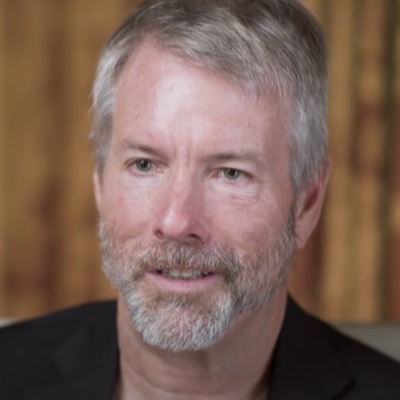
Photo of Michael Saylor
Michael Saylor
Executive chairman of Strategy (formerly MicroStrategy)
Born 1965
Bitcoin & Crypto

Led a corporate strategy of holding large amounts of Bitcoin on a company balance sheet, and became a prominent public advocate for Bitcoin as a treasury asset.

Key idea
Treating Bitcoin as a long-term corporate reserve asset.
Photo of Vitalik Buterin
Vitalik Buterin
Co-founder of Ethereum
Born 1994
Bitcoin & Crypto

Proposed and helped build Ethereum, a blockchain designed to run programmable smart contracts, broadening crypto beyond simple payments.

Key idea
A general-purpose blockchain for decentralized applications.
Hal Finney
Cryptographer and early Bitcoin contributor
Born 1956 • Passed away 2014
Bitcoin & Crypto

Worked on cryptographic systems before Bitcoin, ran early Bitcoin software, and received the first known Bitcoin transaction.

Key idea
Digital cash needed working code, not only a design.
Nick Szabo
Computer scientist who described smart contracts and bit gold
Born 1964
Bitcoin & Crypto

Wrote about self-executing digital agreements and proposed bit gold, a scarce digital money design that predates Bitcoin.

Key idea
Scarcity and settlement can be enforced by code instead of institutions.
Adam Back
Cryptographer and creator of Hashcash
Born 1970
Bitcoin & Crypto

Invented the proof-of-work system cited in the Bitcoin white paper and later co-founded a Bitcoin infrastructure company.

Key idea
Making messages costly to produce can deter abuse of a network.
Wei Dai
Computer engineer who proposed b-money
Bitcoin & Crypto

Described b-money, an early proposal for anonymous distributed electronic cash that is cited in the Bitcoin white paper.

Key idea
Money could be issued and settled by a network of participants.
David Chaum
Cryptographer and pioneer of digital cash
Born 1955
Bitcoin & Crypto

Developed blind signatures and built early electronic cash systems decades before Bitcoin, establishing digital privacy research.

Key idea
Payments can be verified without revealing who made them.
Jack Dorsey
Co-founder of Twitter and founder of Block
Born 1976
Bitcoin & Crypto

Built payment infrastructure at Block and has publicly funded Bitcoin development and open protocol work.

Key idea
Open payment protocols can widen who gets access to money.
Brian Armstrong
Co-founder and chief executive of Coinbase
Born 1983
Bitcoin & Crypto

Built one of the first regulated consumer exchanges for crypto assets, making buying and holding them accessible to the public.

Key idea
Adoption depends on custody and access being simple enough to use.
Andreas Antonopoulos
Author of Mastering Bitcoin and educator
Born 1972
Bitcoin & Crypto

Explains Bitcoin’s technical design to general and developer audiences through books and talks, without promoting price predictions.

Key idea
Understanding custody and keys is the foundation of self-sovereignty.
Gavin Andresen
Early lead maintainer of Bitcoin’s reference software
Born 1966
Bitcoin & Crypto

Took over day-to-day stewardship of the main Bitcoin codebase after Satoshi Nakamoto stopped participating publicly.

Key idea
Open-source money depends on whoever keeps maintaining it.

Growth & Innovation

Investors focused on long-horizon growth, innovation, and speculation.

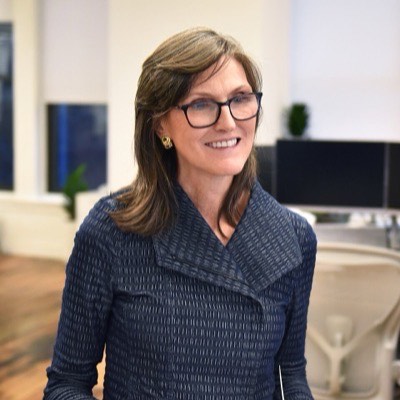
Photo of Cathie Wood
Cathie Wood
Founder of ARK Invest
Born 1955
Growth & Innovation

Founded ARK Invest and is known for high-conviction, thematic investing in disruptive technology. The concentrated approach has produced large swings in both directions.

Key idea
Focused bets on long-horizon innovation themes.
Howard Lindzon
Co-founder of StockTwits and managing partner of Social Leverage
Growth & Innovation

Built an open platform for market conversation and introduced the cashtag, the dollar-sign ticker convention now used across social networks.

Key idea
What people are saying about a market is itself information worth structuring.
Nicolas Darvas
Dancer turned investor and author of How I Made $2,000,000 in the Stock Market
Born 1920 • Passed away 1977
Growth & Innovation

Described a rules-based method of buying shares breaking into new price ranges and cutting losses at preset levels.

Key idea
Predefined exit rules remove emotion from selling.
William O’Neil
Founder of Investor’s Business Daily
Born 1933 • Passed away 2023
Growth & Innovation

Studied the characteristics of historically strong-performing shares and built a screening framework around earnings growth and price behaviour.

Key idea
Studying past winners can reveal shared characteristics.
Jesse Livermore
Speculator whose career inspired Reminiscences of a Stock Operator
Born 1877 • Passed away 1940
Growth & Innovation

Became famous for large speculative positions and repeated cycles of fortune and ruin, later treated as a cautionary study in risk.

Key idea
Being right about direction cannot save reckless position sizing.
Bernard Baruch
Financier and public official
Born 1870 • Passed away 1965
Growth & Innovation

Made his fortune in markets and later advised US presidents, writing on speculation and the limits of forecasting.

Key idea
No one consistently buys the exact bottom or sells the exact top.
Ron Baron
Founder of Baron Capital
Born 1943
Growth & Innovation

Runs long-horizon growth funds and is known for holding positions for many years and backing founder-led companies.

Key idea
Long holding periods let a business’s growth do the work.
Chase Coleman
Founder of Tiger Global Management
Born 1975
Growth & Innovation

Built a large technology-focused investment firm covering both public and private companies.

Key idea
Technology investing blurs the line between public and private markets.
Reference entry

Related learning

The ideas these people are known for, explained in plain English, plus the tools to put them into practice.

Educational content only. These profiles are brief, neutral summaries compiled for learning. They are not endorsements, not investment advice, and not a claim that any person is always right. Mentioning someone here does not imply they are affiliated with Money Masters Media.

Share this page