
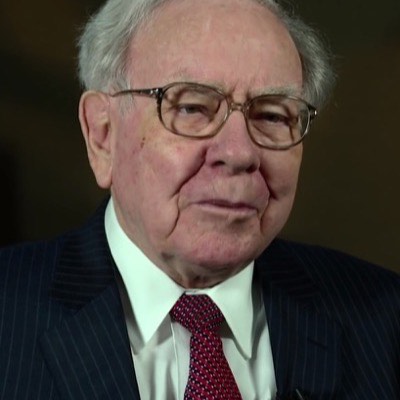
Warren Buffett
Chairman and CEO of Berkshire Hathaway
Built a long public track record applying value-investing principles, focusing on quality businesses bought at sensible prices and held for the long term.
Photo: U.S. International Trade Administration, Public domain · Wikimedia Commons
Biography
Warren Buffett, born in Omaha, Nebraska in 1930, is an American investor and the longtime leader of Berkshire Hathaway. He showed an early interest in business and numbers, and he later studied under Benjamin Graham at Columbia Business School, where he learned the value-investing approach that would shape his career.
In 1965 Buffett took control of Berkshire Hathaway, then a struggling textile maker, and gradually reshaped it into a holding company built around insurance and a wide range of other businesses. Over the following decades he assembled a long public track record and became known for buying what he saw as durable businesses at reasonable prices and holding them for the long term.
His annual shareholder letters are widely read as plain-English lessons on business and investing, and he has often cautioned ordinary savers against speculation, debt, and reacting to short-term market noise. He has also repeatedly suggested that a low-cost index fund is a sensible default for most people.
Buffett lives modestly relative to his wealth and, with Bill Gates, helped launch the Giving Pledge, committing to give away most of his fortune. In 2025 he announced a plan to hand the chief executive role to Greg Abel at the end of the year, while remaining involved as chairman.
Career timeline
- 1930Born in Omaha, Nebraska.
- 1950sStudies under Benjamin Graham at Columbia and absorbs value-investing principles.
- 1956Begins running early investment partnerships for family and friends.
- 1965Takes control of Berkshire Hathaway, then a textile company.
- 1970s to 1980sShifts Berkshire toward insurance and high-quality businesses.
- 2010Co-launches the Giving Pledge with Bill Gates.
- 2025Announces a plan for Greg Abel to become chief executive while he remains chairman.
Key ideas
Tap any idea to expand a plain-English explanation, why it matters, and where to learn more.
Intrinsic value
An estimate of what a business is actually worth based on the cash it can produce over time, rather than its current share price.
Comparing price to a careful estimate of value is the core of value investing. It helps an investor judge whether a stock looks expensive or cheap.
If shares trade well below your estimate of the long-term worth of the business, a value investor would call it undervalued.
Margin of safety
Buying only when the price sits comfortably below your estimate of intrinsic value, leaving room for error.
Estimates are never perfect. A margin of safety cushions mistakes and bad luck instead of relying on everything going right.
If you think a business is worth about 100 dollars per share, you might only buy near 70, so a wrong estimate still leaves a buffer.
Economic moats
A durable competitive advantage that protects a company from rivals, such as a strong brand, low costs, or network effects.
A wide moat can help a business stay profitable for years, which supports long-term compounding.
A widely trusted brand or a large rail network is hard for new competitors to copy quickly.
Long-term ownership
Treating a share as part-ownership of a business and holding it for years rather than trading frequently.
A long holding period gives compounding more time to work and reduces costs and emotional mistakes.
Berkshire has held some businesses and stocks for decades rather than selling on short-term news.
Capital allocation
Deciding how to use a company's cash: reinvesting, buying other businesses, paying dividends, or repurchasing shares.
Over time, how managers allocate capital can matter as much as the underlying business itself.
Buffett is known for redirecting cash from Berkshire's insurance operations into other businesses and investments.
Major contributions
- Built Berkshire Hathaway into a large, diversified holding company centered on insurance.
- Popularized value investing for a wide audience through decades of plain-English annual letters.
- Demonstrated the long-run power of patient, business-focused investing and compounding.
- Co-launched the Giving Pledge, encouraging wealthy individuals to commit most of their wealth to philanthropy.
Influence on investors
Buffett's letters and interviews have shaped how many individual investors think about patience, costs, and treating a stock as a share of a business. His emphasis on a circle of competence and a margin of safety is widely taught.
Many investors trace their interest in low-turnover, quality-focused investing to his example. At the same time, he has repeatedly told ordinary savers that a low-cost index fund is a reasonable default for most people.
Criticisms and debates
A balanced view includes the main criticisms and open debates, presented neutrally.
- Buffett has acknowledged being slow to invest in some technology companies, and Berkshire missed parts of the early technology boom.
- Value investing can underperform growth-focused strategies for long stretches, which tests an investor's patience.
- Berkshire's very large size makes it harder to find investments big enough to move results, so future returns may differ from the past.
- Some argue his record is hard to copy because it relied on specific opportunities, scale, and access that most investors do not have.
Lessons for investors
Plain-English takeaways. Context for learning, not advice to buy or sell anything.
- 1Think like a part-owner of a business, not a renter of a stock price.
- 2Look for durable competitive advantages that protect a company over time.
- 3Try not to overpay, even for an excellent business.
- 4A long holding period gives compounding more time to work.
Notable quotes
“Price is what you pay. Value is what you get.”
“Be fearful when others are greedy, and greedy when others are fearful.”
Frequently asked questions
Who is Warren Buffett?
Warren Buffett is an American investor and the longtime leader of Berkshire Hathaway. He is widely associated with value investing: buying strong businesses at sensible prices and holding them for the long term.
What is Warren Buffett known for?
He is known for building Berkshire Hathaway, for his long public investing record, and for explaining business and investing in plain English through his annual shareholder letters.
What can investors learn from Warren Buffett?
Common takeaways include thinking like a business owner, leaving a margin of safety, focusing on durable advantages, keeping costs low, and giving compounding time to work.
What are criticisms of Warren Buffett's approach?
Critics note that he was slow to embrace some technology trends, that value investing can lag for long periods, and that Berkshire's size makes its past returns hard to repeat.
Did Warren Buffett recommend index funds?
He has repeatedly said that a low-cost S&P 500 index fund is a sensible choice for most ordinary investors, even though Berkshire itself buys individual businesses.
Is this page investment advice?
No. This is a neutral educational summary written for learning. It is not financial advice, and it does not claim this person makes perfect decisions.
Related learning
Related people
Get smarter about investing
Clear market insights, useful tools, and beginner-friendly investing education.
Educational content only. This is a neutral summary compiled for learning. It is not an endorsement, not investment advice, and not a claim that this person is always right. Mentioning someone here does not imply they are affiliated with Money Masters Media.